

7 Things You Need to Know Before You Moving to Dallas

Key Takeaways
- East Coast & West Coast budgets buy a very different house here.
- Texas weather does things to your house you won't expect.
- One driving habit here confuses every single transplant, yet they love it.
- No income tax doesn't mean no tax.
- Friday night football is more than just football 🏈
DFW (Dallas-Fort Worth) has been one of the fastest growing metro areas in the country for years running, and a lot of that growth is people packing up from the coasts. No state income tax, more house for the money, and a job market anchored by corporate relocations are the usual reasons people give for the move.
But nobody relocates somewhere new without a few surprises. Here are the seven that come up most often in the first six months.
Your Budget Buys a Different House Here
On either coast, a million dollars often buys a 40-year-old house that still needs a full renovation and barely has a yard.
In the northern suburbs, Frisco, Prosper, and Celina, that same budget usually gets you 3,500 square feet or more. High ceilings. A three-car garage. A real backyard. A community with a pool and walking trails. Often new construction or close to it.
That first walkthrough is where it hits people. The home office. The media room. The yard where the kids and the dog can actually run. It's the single most common thing new arrivals mention to me.
The Weather Has a Personality
Texas weather is not subtle.
Heat comes first. July through September regularly runs over 100 degrees. Your air conditioner runs nearly around the clock, and your summer electric bill will reflect that.
Then there could be hail. Spring brings hailstorms and the occasional tornado watch. That's why roof age and condition is one of the first things I check on any house here, and why you need to know your wind and hail deductible before you close, not after.
And then foundation. Most of North Texas sits on expansive clay soil that swells when wet and shrinks when dry, which moves foundations over time. You'll drive through a neighborhood in August and see soaker hoses running along the perimeter of houses. Even sprinkler systems have built in settings for this. That's not landscaping. Homeowners are watering their foundations to keep the soil moisture even. It looks strange the first time. It's completely normal here.
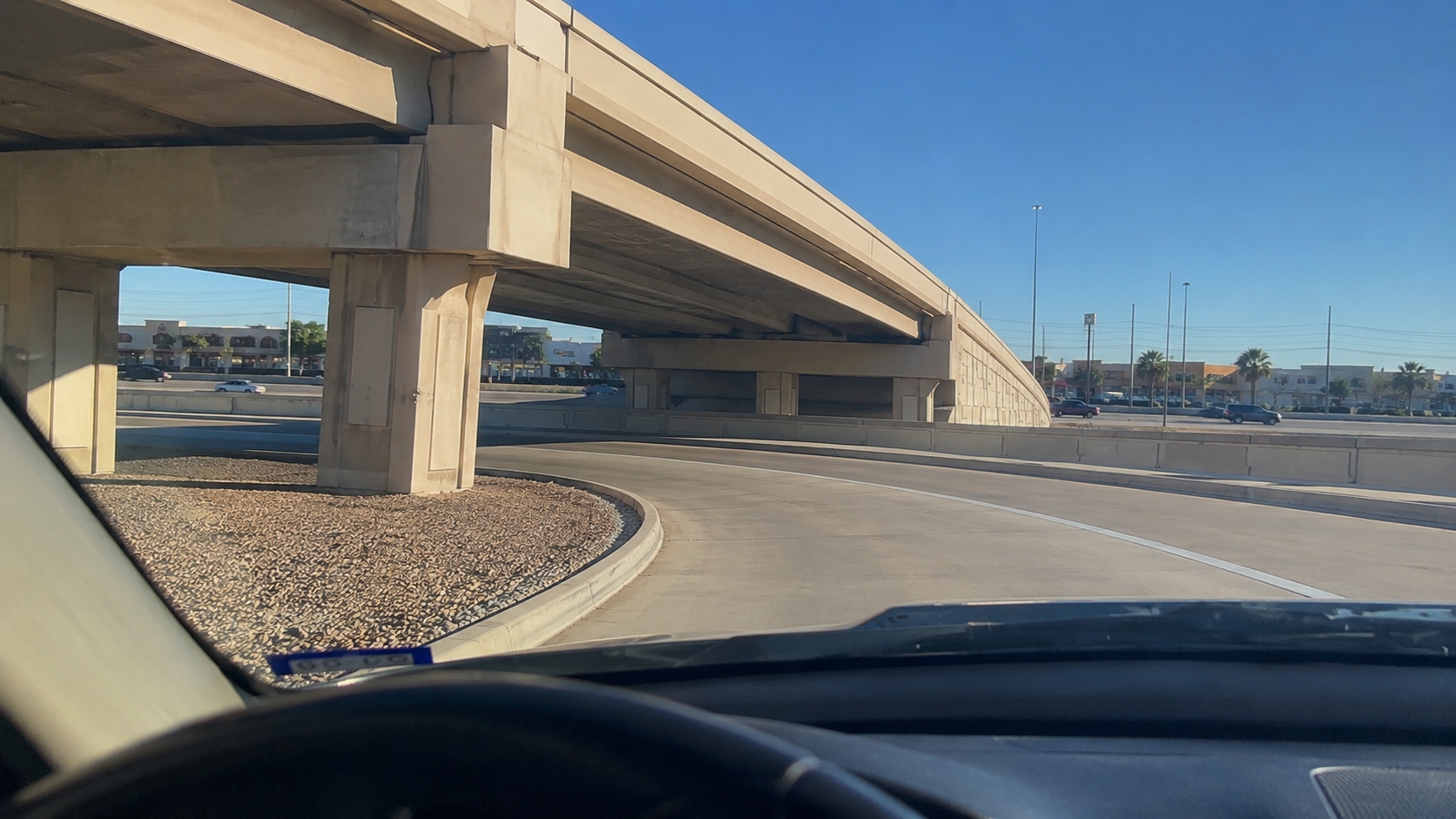
Frontage Roads, and the “Texas U-Turn”
DFW is spread out, and driving is an essential part of life.
The Dallas North Tollway, SH 121, and SH 161 are fast, well maintained, and toll-only. Getting a TollTag for your windshield should be on your first-week list, because the pay-by-mail rate runs noticeably higher. Literally twice as much!
Then there's the frontage road U-turn. Texas highways run parallel service roads alongside them, with dedicated U-turn lanes under the overpasses. Missed your exit? No problem, you're not driving to the next town. Simply take the frontage road, loop under the bridge without stopping at a light, and you're headed the other way in under a minute. Almost everyone who moves here decides this should be standard everywhere.
No Income Tax Doesn't Mean No Tax
Texas has no state income tax, so your take-home pay goes up the first time you get paid here. That part is real.
The tradeoff is property tax. Texas funds schools, roads, police, and fire locally, and rates across the DFW area generally land somewhere between roughly 1.8% and 2.5% of assessed value, depending on the city, county, school district, and any MUD or PID assessments attached to the neighborhood. MUD/PID are typically only seen in new communities
Translation for your homebuying math: the mortgage payment quote alone will mislead you. You need the full picture, principal, interest, taxes, and insurance, and in this market taxes and insurance make up a much bigger slice of that number than most transplants expect.
There's an offset, though. If the home is your primary residence, you file for a homestead exemption, which lowers your taxable value and caps how much your assessed value can rise year over year. File it. People forget every year and leave money on the table.
Strangers Will Talk to You
Someone will strike up a conversation with you in the grocery checkout line. "Y'all" will be in your vocabulary within a month. You'll get called sir or ma'am by people younger and older than you.
The pace here runs a step slower and noticeably more family-centered. Whether that's a welcome change or an adjustment depends on where you're coming from, but almost nobody stays neutral about it.
Dallas Is Not a Two-Cuisine Town
Texas barbecue and Tex-Mex are the two things everybody already knows about, and both live up to the hype. Brisket is basically a religion here.
But the assumption that Dallas is just barbecue and Tex-Mex misses most of the picture. North of the city, Plano, Frisco, and Richardson have one of the deepest international dining scenes in the country, alongside Central Market, Whole Foods, and H-E-B for groceries. Real bakeries, regional Chinese, Korean barbecue, Indian food, fine dining, it's all here. This is a big part of why so many relocating families end up in that corridor.
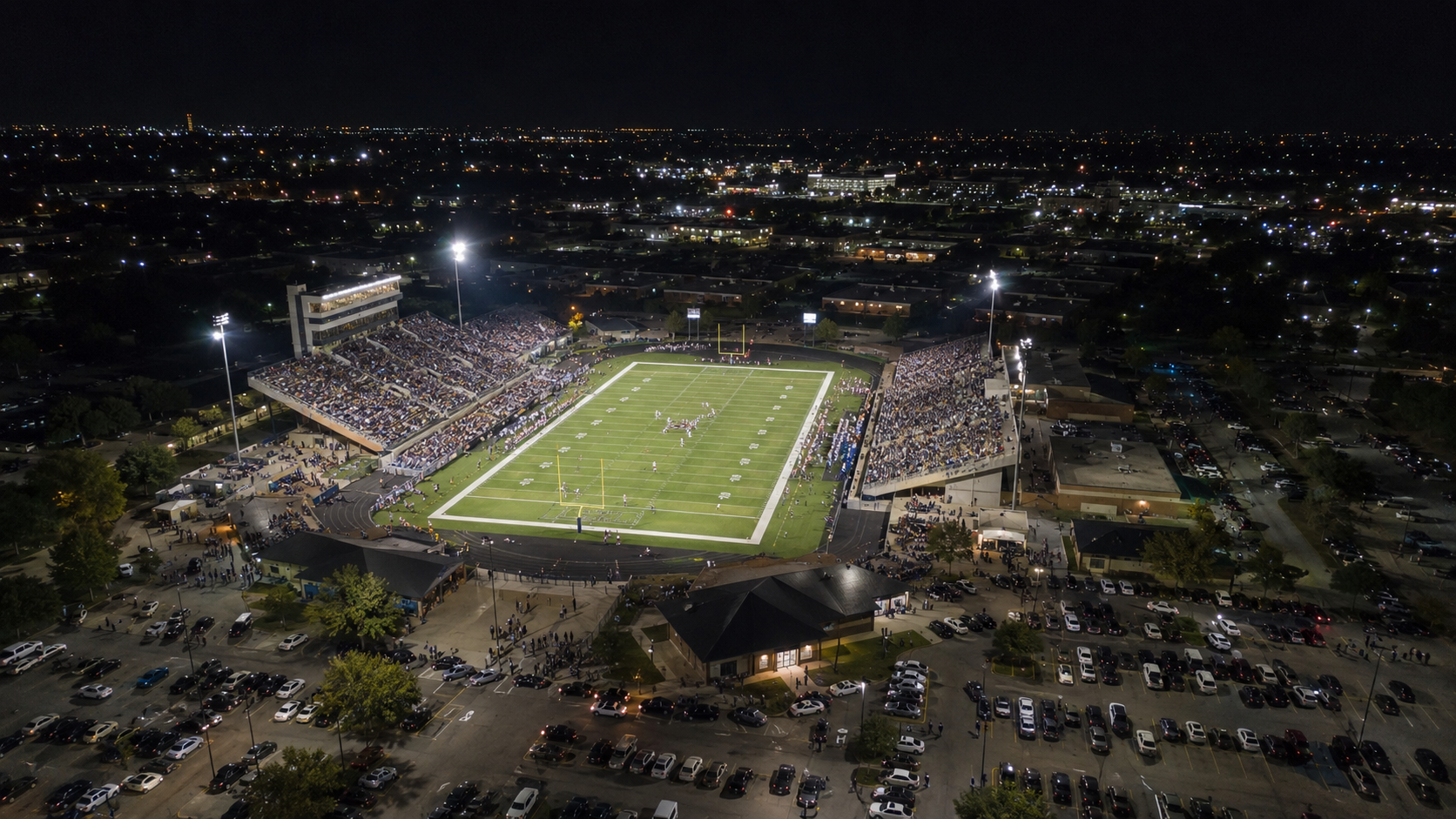
Friday Night Football Is a Big Deal
In Texas, Friday night high school football isn't really about football.
Sometimes, the whole town shows up. People wear school colors. The stadiums are enormous and seriously funded. Allen's holds around 18,000 people. Even if you've never watched a down of football in your life, buying a ticket, grabbing a hot dog, and catching the halftime band is the fastest way to feel like you actually live here instead of just having moved here.
HERE'S WHAT THIS MEANS FOR YOU
If you've thought about making a move from either coast, budget for the full picture, not just the mortgage quote. Yes, property tax and insurance will run higher than a coastal comparison suggests, but the square footage, the yard, and the community amenities usually shift the equation back in your favor. File your homestead exemption the year you close, and get your TollTag ordered before your first week of commuting. In fact, I can help you with all of that!
FAQs
-
It depends on the category. No state income tax and lower housing cost per square foot are real advantages. Property tax runs higher than many coastal states, so the full cost comparison depends on income level, home price, and how you weigh those tradeoffs.
-
Most of North Texas has expansive clay soil that shifts as moisture levels change, which can move a home's foundation. Homeowners water the soil around the foundation to keep moisture levels consistent and reduce that movement. That being said, there are a few spots in the metroplex where that rarely happens. Ask me all about it.
-
A homestead exemption lowers the taxable value of your primary residence and limits how much your assessed value can increase each year. If the home you buy will be your primary residence, you should file for it the year you close.
-
July through September regularly sees temperatures over 100 degrees. Air conditioning runs heavily during those months, and it's worth factoring into your utility budget.
-
DFW is quite spread out, so driving is part of daily life for most residents. Tollways move efficiently, and the frontage road system with dedicated U-turn lanes makes navigating easier than the sprawl might suggest. Avoid a few bottle necks, and you barely notice it!
CONCLUSION
The move from either coast to Dallas is a real adjustment, not a minor one. The weather and the tax structure are the two things people underestimate. The space, the pace, and the overall cost of living are the two things people underestimate in the other direction. Most people land here and figure it out faster than they expected.
If you're working through a relocation and want to talk through the parts that don't show up on Zillow, send me a note. I put together a relocation guide for out-of-state buyers covering the questions that come up most, and I'm happy to walk through your specific situation.
If this made you think of someone weighing a move to DFW, sharing it with them would be a great compliment.
Curious what surprised you most about a move you've made, even if it wasn't to Texas. I'd genuinely like to know.