

Where Should You Actually Live in DFW? A Five-Zone Breakdown
4 min read

Key Takeaways
DFW covers more than 9,000 square miles. Bigger than some states.
The question isn't "should we move." It's "where exactly."
Five zones split by commute, price, and lifestyle, not city lines.
One 30-minute rule cuts through almost every relocation debate.
The wrong zone means years of a commute you'll resent.
The Dallas-Fort Worth metroplex covers more than 9,000 square miles. It's physically larger than several U.S. states. So when someone decides to move here, the hardest question is almost never "should we?" It's "where?"
Get that wrong and you inherit a commute you'll resent for years. Here's how I break the region into five zones, based on where people actually work, what the housing stock looks like, and how the drive times fall.
North Dallas & the Northern Growth Corridor
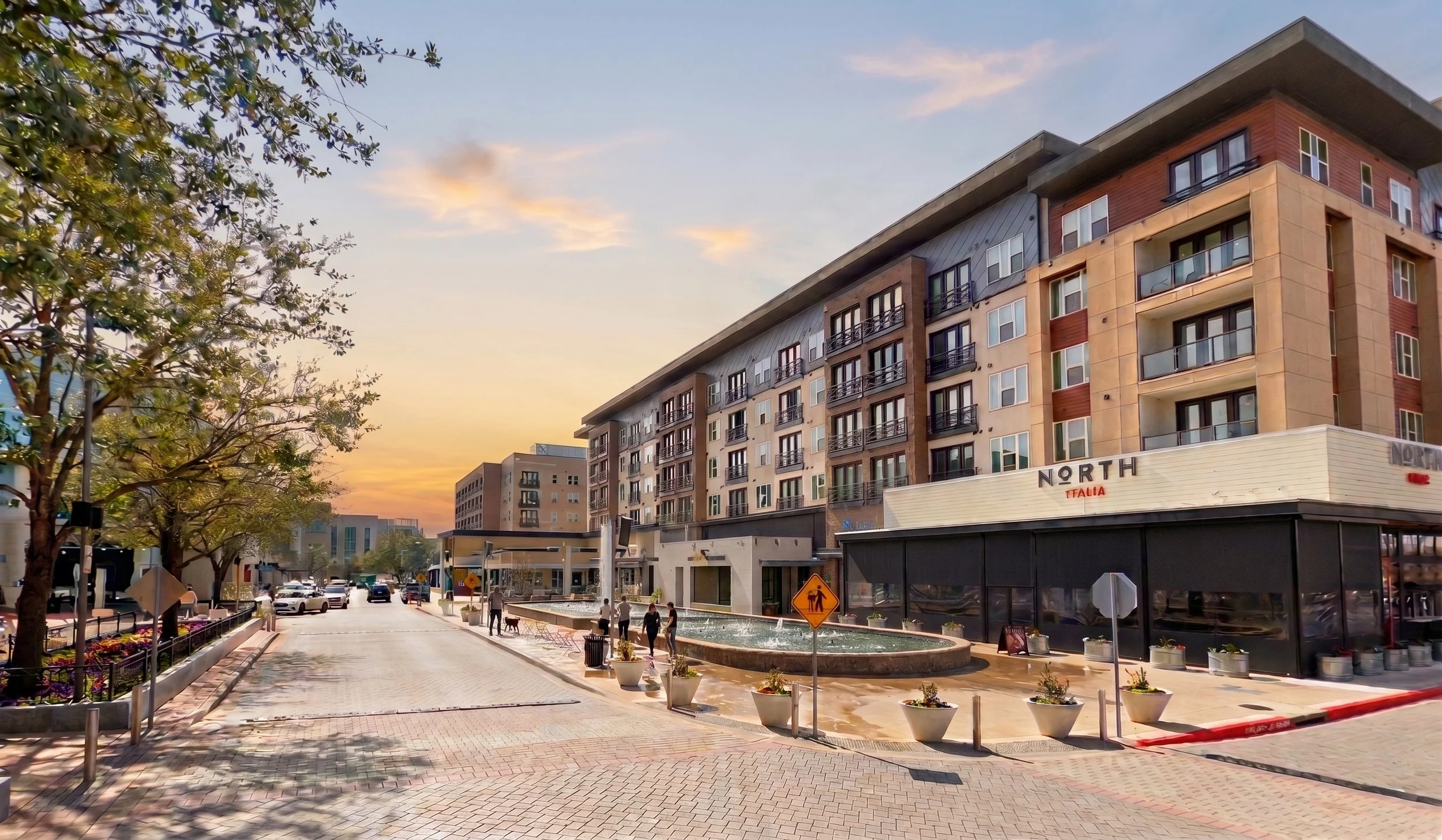
Cities: Plano, Frisco, McKinney, Allen, Prosper, Celina
This is the fastest growing part of the metroplex and where most out-of-state relocations land. The corridor along the Dallas North Tollway and SH 121 holds a heavy concentration of corporate campuses, including Toyota North America, JPMorgan Chase, Liberty Mutual, Frito-Lay, and PepsiCo.
Legacy West anchors the retail and dining side. Housing splits cleanly by preference. If you want an established neighborhood with mature trees and a short drive to everything, look at Plano or central Frisco. If you want new construction, more land, and you're willing to trade fifteen minutes of drive time for it, Prosper and Celina are where builders are actively developing right now.
Heart of Dallas and the Park Cities

Areas: Uptown, Downtown, Highland Park, University Park, Preston Hollow
If a suburb sounds like a compromise to you, this is your zone. Uptown means apartments and townhomes, restaurants, and coffee shops, with the Katy Trail running through it, a converted rail line that functions as the city's main outdoor gathering spot.
Highland Park and University Park, together called the Park Cities, are Dallas's oldest established luxury enclaves. Separate municipal services, dense tree canopy, and a price floor that sits well above the rest of the metro. Median values run into the millions.
Mid-Cities and the Airport Corridor
Cities: Southlake, Colleyville, Grapevine, Coppell, and the HEB cities (Hurst, Euless, Bedford)
Exactly what the name suggests: the middle of the metroplex, between Dallas and Fort Worth. The value proposition is the airport. If you fly weekly for work, or you're in consulting, this zone saves you hundreds of hours a year.
Southlake is the headline city here, with larger lots, larger homes, and Southlake Town Square, an outdoor town-center development that functions as the community's living room. Grapevine has a genuinely preserved historic Main Street and sits on Grapevine Lake, which makes it feel less like a suburb than most of the region.
Fort Worth and the Western Suburbs
Areas: Fort Worth, Aledo, Keller, Trophy Club
Fort Worth is not Dallas's smaller twin. It's a different city with a different character, and the Stockyards is the clearest expression of it. The arts district is also legitimately good and underrated nationally.
The practical draw is dollar-per-square-foot. The same budget generally goes further here than in the northern corridor. Aledo, west of Fort Worth, has large master-planned developments like Walsh that appeal to families who want acreage and quiet more than they want a five-minute drive to a Whole Foods.
Eastern and Southern Growth Areas
Cities: Rockwall, Forney, Waxahachie, Midlothian
As pricing in the north has climbed, builders and first-time buyers have both moved east and south. Rockwall sits on Lake Ray Hubbard with real waterfront inventory and boating access. Forney has a heavy concentration of affordably priced new builds and has become a common landing spot for young families.
If you work remotely, or your commute runs along I-20 or I-30 rather than into the northern corridor, these areas let you buy new construction at a payment that's meaningfully lower.
Here's What This Means for You
Before you fall in love with a neighborhood photo online, find your anchor point. That's your office, or if you're remote, wherever you'll actually be driving most often. Draw a 30-minute radius around it and check the drive at 8am and 5pm on a weekday, not on a quiet Sunday afternoon. The difference might surprise you, and it will narrow your search faster than any listing filter.
FAQ
-
Picking a neighborhood based on a Sunday afternoon drive instead of a weekday commute. Traffic patterns during rush hour can add thirty minutes or more compared to an off-peak drive, and that difference compounds daily.
-
Prosper, Celina, and parts of the eastern and southern growth areas like Forney currently have the most active new construction activity, since land is still available for large-scale development.
-
Not necessarily. It's the right fit for buyers prioritizing corporate proximity, newer construction, and master-planned amenities. Families prioritizing airport access, historic character, or lower price per square foot may find a better fit in a different zone.
-
Use Google Maps or a similar tool to check drive times from a specific address to your anchor point at both 8am and 5pm on a weekday. If possible, rent a short-term stay in your top two areas and drive the commute yourself before making an offer.
-
Not always. District and campus ratings change year to year, and enrollment boundaries can be redrawn. Always verify current attendance zones directly with the district before making a decision based on them.
Conclusion
DFW isn't one market. It's five distinct ones stitched together, and the right zone for you depends on your commute, your budget, and what kind of pace you want your daily life to run at. Let’s get the zone right first. The search gets much easier from there.
If you’re not opposed to some help narrowing the list before you book a scouting trip, send me a message. We’ll map your commute against and highlight the areas that better fit your budget. Schedule your 20-min free consultation here!
Sources
General DFW geography, corporate presence, and Emilio's client experience navigating relocation searches
School district ratings and specific commute data should be verified directly with the relevant district and current traffic data